
Category: 3 Pillars
-

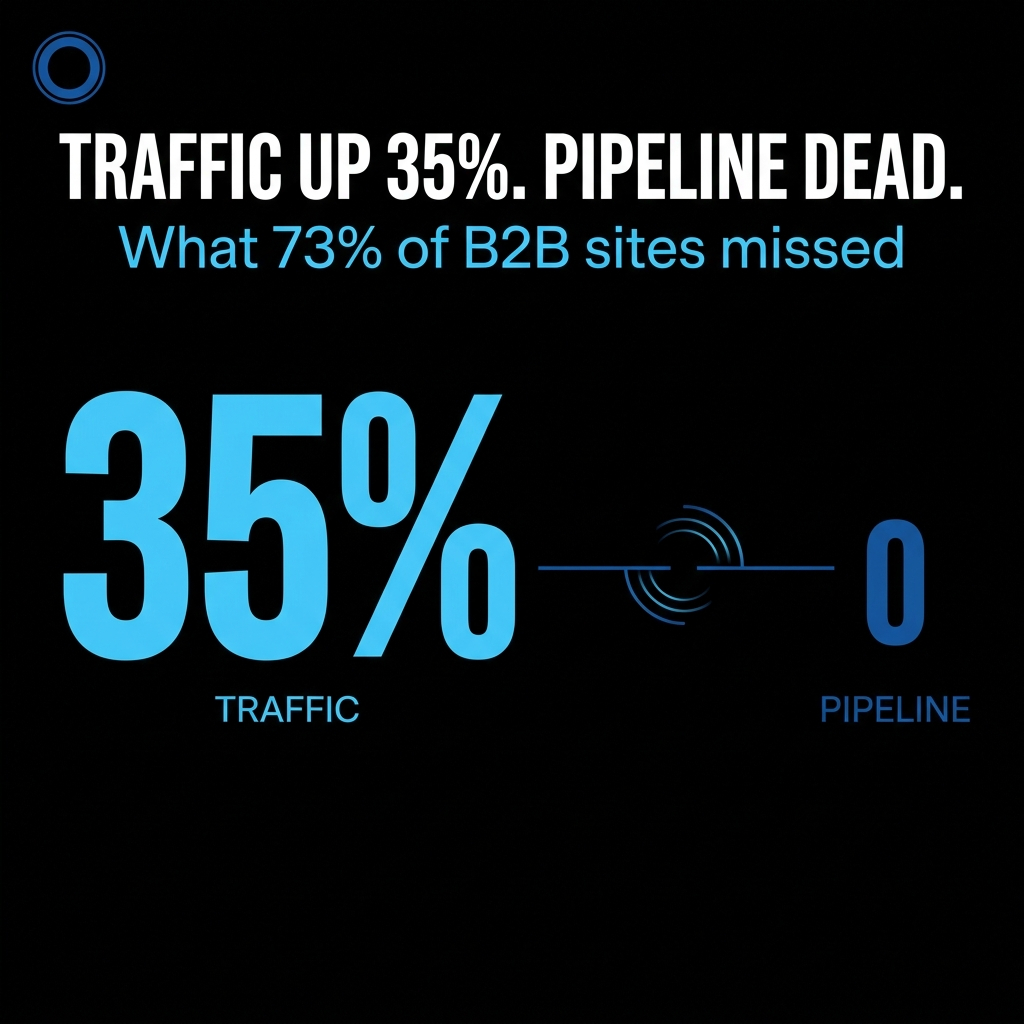
Why SEO Metrics Diverged From Pipeline (And What That Unlocks)
•
TL;DRTraditional SEO metrics and actual buyer discovery have decoupled. Rankings and impressions can climb while pipeline quality shifts to AI-mediated surfaces that traditional attribution cannot…
-
Building AEO Infrastructure When Traditional SEO Has Issues
•
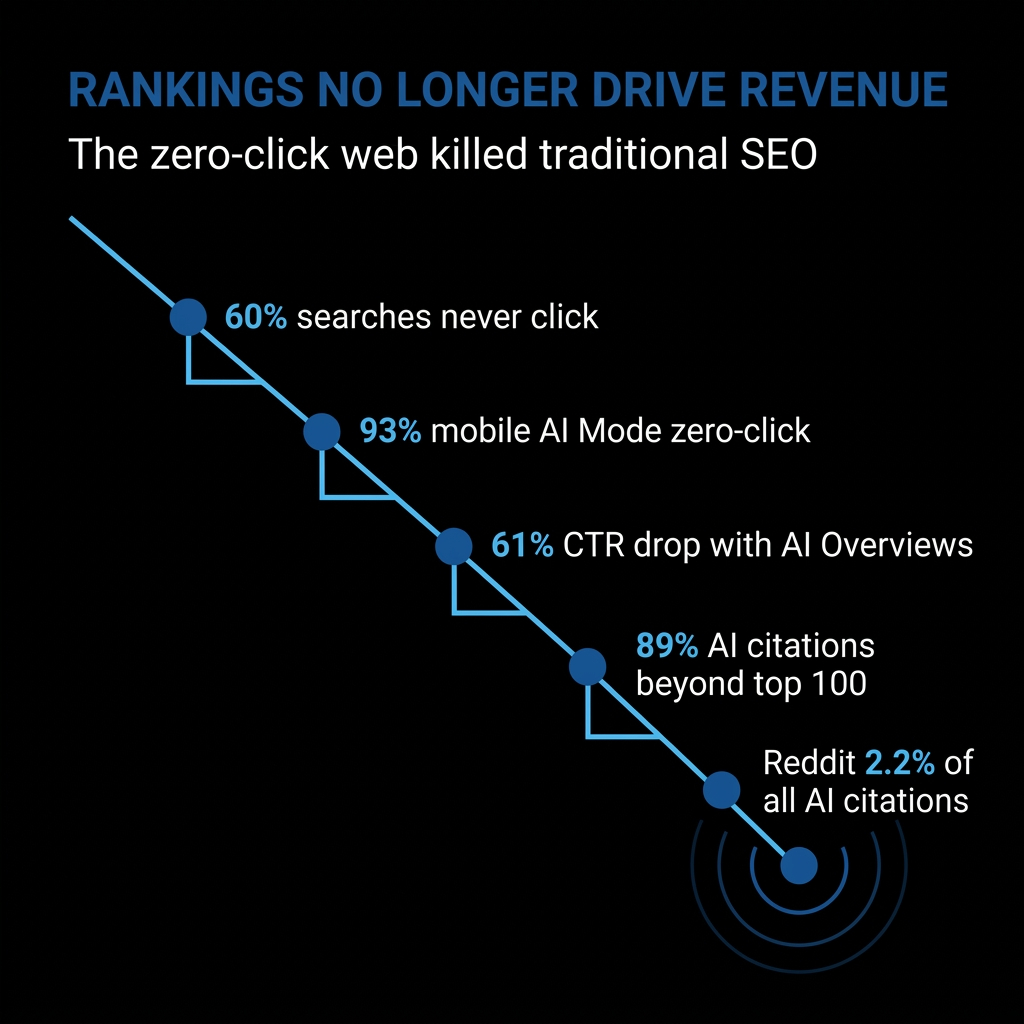
TL;DR: Traditional SEO optimizes for rankings and clicks, but AI answer engines reward depth, originality, and entity-level authority. The gap between traffic metrics and pipeline results reveals a…
-
Reddit Is the New Organic Channel (And It’s Better Than What We Lost)
•
TL;DRAI platforms cite Reddit more than any other source, making community presence the most direct path to shaping how answer engines describe your brand. Reddit infrastructure delivers booked calls…
-

Most B2B Companies Are Optimizing for Traffic That Doesn’t Convert
•
TL;DRB2B companies spend thousands on content that ranks well and gets traffic, but 87% say it creates awareness while only 49% see revenue impact. The gap exists because most content is built for…
-

Why Reddit and Wikidata Are the New Pipeline Channels for B2B Growth
•
AI search engines now cite Reddit 46.7% of the time on platforms like Perplexity.That number tells you everything about where authority lives now.Your prospects ask AI systems questions about your…
-

AEO Infrastructure: The Pipeline Generation Engine That Compounds While You Sleep
•
Most companies treat pipeline generation as a series of separate tactics. Run some ads. Post on social. Maybe do some SEO.The problem is that the approach forces you to pedal the bike constantly….
-
The Marketing Infrastructure Nobody’s Building (And Why 2025 Is Your Window)
•
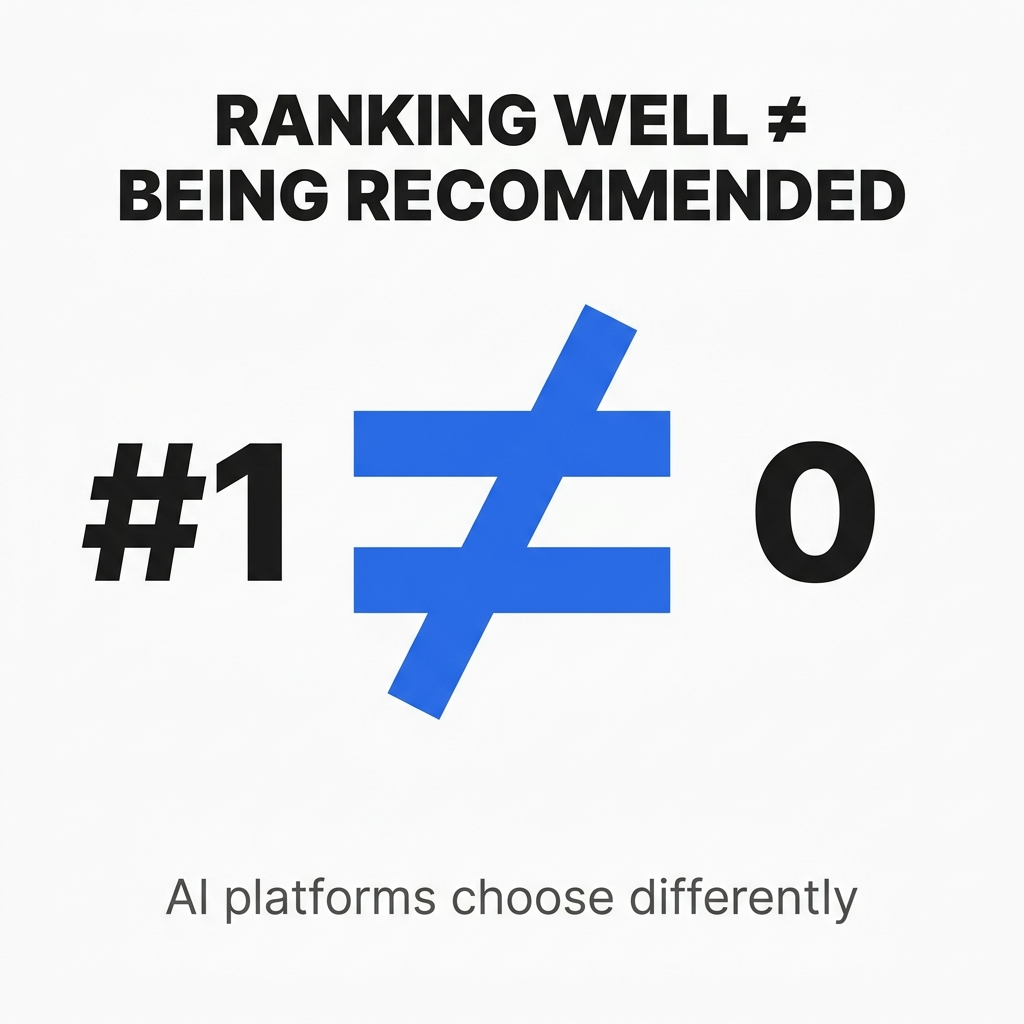
Most marketing teams are invisible where it matters most.You rank well in Google. Your content library is extensive. Your ads run across multiple platforms.But when a buyer asks ChatGPT or Perplexity…
-
How We Engineer Authority Into a Self-Sustaining Sales Pipeline
•
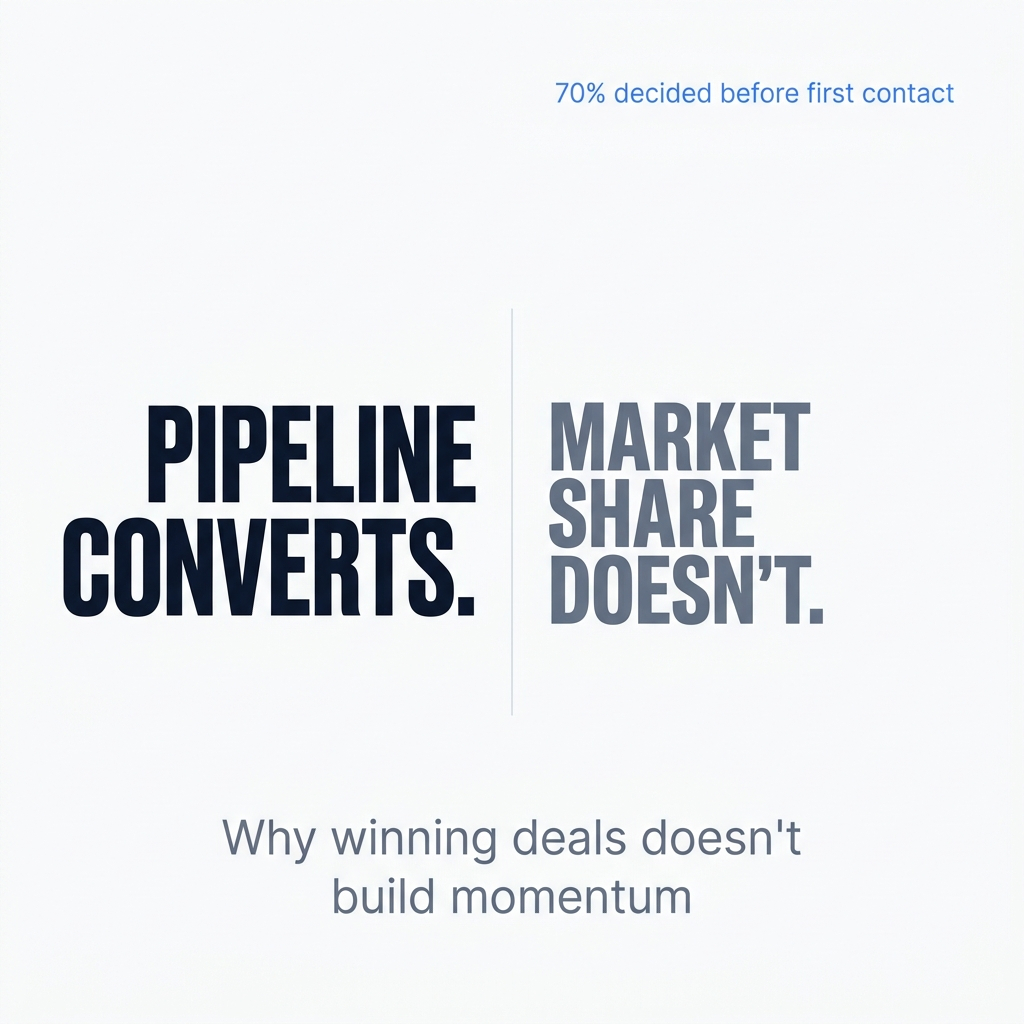
Many companies struggle with traditional sales approaches, finding success fleeting as pipelines dry up quickly. Authority infrastructure shifts focus from chasing leads to building trust and pre-qualifying buyers through valuable content. By capturing customer language, companies can create meaningful connections that compound over time, leading to smoother sales cycles and…
-
When Your Pipeline Converts But Your Market Share Doesn’t: The Authority Infrastructure Gap
•
Your authority infrastructure is crucial for converting visibility into revenue. Many companies mistakenly believe content alone establishes authority, overlooking how AI systems recommend brands. By emphasizing third-party validation and expert ownership, organizations can improve win rates and pipeline efficiency, driving substantial revenue growth without additional costs. Early adopters will gain…
-

AI Attribution Is Creating Marketing’s Unbridgeable Divide
•
The article discusses the growing divide in marketing effectiveness due to advanced AI and attribution systems. With privacy regulations tightening and third-party cookies disappearing, organizations that invest in structured data and robust conversion tracking gain significant competitive advantages. Companies leveraging AI analytics outperform those relying on traditional methods, leading to…